
Why It’s Important to Repair Windshield Chips Promptly

That small chip in your windshield might look harmless, but it’s actually a ticking time bomb. What starts as a minor annoyance can quickly escalate into a safety hazard that costs hundreds more to fix. Understanding why prompt windshield chip repair matters could save you money, time, and potentially your life.

The Hidden Dangers of “Just a Small Chip”

Many drivers dismiss windshield chips as cosmetic issues that can wait. This misconception stems from not understanding how automotive glass works. Your windshield isn’t just a protective barrier against wind and debris—it’s a critical structural component of your vehicle’s safety system.

Modern windshields are made of laminated safety glass, consisting of two glass layers bonded together with a polyvinyl butyral (PVB) interlayer. When a chip occurs, this carefully engineered structure becomes compromised, creating a weak point that can fail under stress.

1. Prevents Costly Replacement

The financial difference between repair and replacement is substantial. Repairs are significantly more affordable than full windshield replacements, which vary based on your vehicle’s make, model, and glass specifications.

Insurance Coverage Advantage: Most comprehensive insurance policies cover windshield repairs with zero deductible, meaning you pay nothing out of pocket. However, if that chip spreads into a crack requiring replacement, you’ll likely face your policy’s deductible.

Real-World Example: A small bullseye chip that could be repaired for free under insurance coverage can become a 12-inch crack within days, suddenly requiring you to pay your deductible plus the inconvenience of a lengthy replacement process.

2. Maintains Critical Structural Integrity

Your windshield contributes up to 60% of your vehicle’s structural strength in a rollover accident and up to 45% in a frontal collision. This isn’t automotive marketing—it’s physics.

Roof Support System: In rollover accidents, the windshield prevents roof collapse that could cause fatal injuries. A compromised windshield with untreated damage may not provide adequate support when you need it most.

Airbag Deployment: During frontal impacts, passenger-side airbags rely on the windshield as a backstop to inflate properly. A weakened windshield can blow out under airbag pressure, causing the airbag to deploy ineffectively and potentially leading to passenger ejection.

Crash Test Data: According to the Auto Glass Safety Council, vehicles with compromised windshields show significantly reduced performance in standard crash tests, particularly in rollover scenarios.

3. Stops Damage from Spreading

Windshield damage follows predictable patterns based on physics and environmental factors. Understanding these can help you appreciate why time is critical.

Temperature Stress: Glass expands and contracts with temperature changes. A chip that’s stable at 70°F can rapidly spread when exposed to a 40°F morning followed by 90°F afternoon heat. The differential expansion creates stress points that propagate cracks.

Vibration Damage: Every bump, pothole, and highway mile creates microscopic stress on damaged glass. Road vibrations that wouldn’t affect healthy glass can cause chips to spread into long cracks over time.

Moisture Infiltration: Water entering a chip can freeze during cold weather, expanding and forcing the damage to spread. Additionally, moisture can contaminate the damaged area, making future repairs more difficult or impossible.

The 24-48 Hour Rule: Industry data shows that chips are most likely to spread within the first 24-48 hours after impact, especially if exposed to temperature extremes or road vibrations.

4. Preserves Essential Visibility

Clear vision is fundamental to safe driving, yet many drivers underestimate how chips affect their sight lines.

Light Refraction: Even small chips create optical distortions that can refract light unpredictably. This is particularly dangerous during sunrise, sunset, or when driving toward oncoming headlights at night.

Progressive Distortion: As chips collect dirt, moisture, and debris, the visual distortion worsens. What starts as a minor blind spot can become a significant visual obstruction.

Legal Requirements: Most states have specific regulations about windshield damage in the driver’s line of sight. Chips larger than a quarter or cracks longer than six inches can result in traffic citations or failed vehicle inspections.

5. Saves Valuable Time

Time efficiency becomes crucial when you consider the alternatives.

Repair Timeline: Professional chip repairs typically take 15-30 minutes and can often be performed at your location—your home, office, or while you shop.

Replacement Timeline: Windshield replacements require 60-90 minutes of work plus additional cure time before you can safely drive. Many replacements also require scheduling days in advance due to glass ordering and installer availability.

ADAS Considerations: If your vehicle has Advanced Driver Assistance Systems (ADAS), windshield replacement requires additional calibration time and cost, potentially adding 1-2 hours to the process and $200-400 to your bill.

The Science Behind Professional Repair

Understanding how professional repair works helps explain why prompt action is so effective.

Resin Technology: Modern repair resins are specially formulated to match the optical properties of automotive glass. These advanced polymers cure to nearly the same hardness and clarity as the original glass when properly applied.

Pressure and Heat Application: Professional repair equipment uses precise pressure and controlled heat to ensure complete resin penetration and optimal bonding with the existing glass structure.

UV Curing: Ultraviolet light curing creates molecular bonds that restore much of the windshield’s original strength, effectively stopping crack propagation.

When Repair Isn’t Possible

Certain types of damage cannot be repaired and require immediate replacement:

  • Chips larger than a quarter
  • Cracks longer than 6 inches
  • Damage in the driver’s direct line of sight
  • Edge damage that compromises structural integrity
  • Multiple chips in close proximity
  • Damage that has been contaminated with dirt or debris
The Optic-Kleer Advantage

Our certified technicians use industry-leading GlasWeld Zoom professional injectors and optically-matched resins to restore your windshield’s integrity and appearance. Every repair comes with our lifetime guarantee against spreading, and we work directly with insurance companies to eliminate out-of-pocket costs.

Professional Standards: All repairs meet or exceed ROLAGS (Repair of Laminated Automotive Glass Standard) requirements, ensuring quality and safety.

Mobile Service: We come to you, making the repair process convenient and efficient.

Documentation: Every repair includes before and after photos and a service report for your records.

Take Action Now

Don’t gamble with your safety or wallet. That small chip won’t stay small for long. Contact Optic-Kleer today for a free damage assessment and quote. In most cases, we can repair your windshield the same day with no cost to you when covered by insurance.

Remember: The best time to repair a windshield chip was immediately after it happened. The second-best time is right now.
How ADAS Sensors Work – And Why Calibration Matters

Your modern vehicle is equipped with an invisible safety network that’s constantly monitoring the road around you. Advanced Driver-Assistance Systems (ADAS) represent one of the most significant automotive safety advances since the seat belt, yet many drivers don’t fully understand how these systems work—or why proper calibration after windshield service is absolutely critical.

Understanding ADAS Technology

Advanced Driver-Assistance Systems use a sophisticated network of cameras, radar, lidar, and ultrasonic sensors to monitor your vehicle’s surroundings in real-time. This network of sensors acts as your vehicle’s eyes and ears, processing thousands of data points per second to enhance safety and driving comfort.

Key ADAS Safety Features

Modern vehicles commonly include these ADAS features:

Lane Departure Warning – Monitors lane markings and alerts you when drifting without signaling Automatic Emergency Braking – Detects imminent collisions and applies brakes automatically Adaptive Cruise Control – Maintains safe following distance by adjusting speed automatically Forward Collision Alert – Warns of potential front-end collisions before they occur Blind Spot Monitoring – Detects vehicles in your blind spots and provides warnings Parking Assistance – Guides parking maneuvers using proximity sensors and cameras

The Critical Windshield Connection

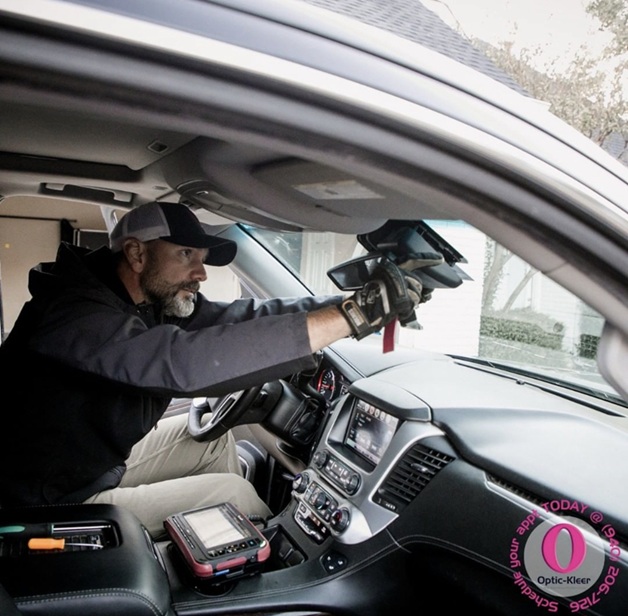
Many drivers don’t realize that their windshield serves as more than just protective glass—it’s a mounting platform for critical ADAS sensors. Most forward-facing cameras are mounted directly to the windshield, typically behind the rearview mirror or in the upper center area.

This placement makes ADAS systems highly sensitive to even minor adjustments or replacements. When a windshield is removed and reinstalled, or when the glass itself is replaced, the camera’s position can shift by mere millimeters—enough to throw off the entire system’s accuracy.

The Science Behind Sensor Functionality

Camera-Based Systems

Forward-facing cameras capture and analyze visual data from the road ahead. Advanced image processing algorithms identify lane markings, other vehicles, pedestrians, road signs, and potential obstacles. These cameras must be positioned with extreme precision to ensure accurate object detection and distance calculation.

Radar Technology

Radar sensors emit radio waves and measure the time it takes for signals to bounce back from objects. This technology excels at detecting distance and relative speed, making it ideal for adaptive cruise control and collision avoidance systems. Radar sensors are typically mounted in the front bumper but rely on integration with camera data for optimal performance.

Ultrasonic Sensors

Short-range ultrasonic sensors use sound waves to detect nearby objects, primarily used for parking assistance and low-speed maneuvering. While not windshield-mounted, these sensors work in coordination with camera systems to provide comprehensive situational awareness.

Data Fusion

The real intelligence of ADAS lies in data fusion—the process of combining information from multiple sensors to create a comprehensive understanding of the driving environment. When one sensor provides inaccurate data due to improper calibration, it can compromise the entire system’s effectiveness.

Why Calibration Is Essential

ADAS calibration is the process of ensuring that all sensors are properly aligned and communicating accurate information to the vehicle’s computer systems. This process becomes essential whenever work is performed that could affect sensor positioning.

When Calibration Is Required

Windshield Replacement – Any windshield replacement requires ADAS calibration if cameras are mounted to the glass Collision Repair – Front-end damage that affects bumper-mounted sensors necessitates recalibration Suspension Work – Changes to vehicle height or alignment can affect sensor angles Wheel Alignment – Significant alignment adjustments may require sensor recalibration

Types of Calibration

Static Calibration – Performed in a controlled environment using specific targets and positioning equipment while the vehicle is stationary Dynamic Calibration – Requires driving the vehicle under specific conditions while the system learns and adjusts to real-world parameters

The Hidden Dangers of Skipping Calibration

Driving with improperly calibrated ADAS systems creates serious safety risks that may not be immediately apparent.

Inaccurate Object Detection

Misaligned cameras may fail to properly identify vehicles, pedestrians, or obstacles in the vehicle’s path. This can result in delayed or absent collision warnings, potentially leading to accidents that the system was designed to prevent.

False Alerts and System Shutdowns

Poorly calibrated sensors often trigger false warnings or may cause the system to shut down entirely. Beyond the annoyance factor, drivers may become complacent about legitimate warnings or may disable safety systems altogether.

Compromised Emergency Response

Automatic emergency braking and other active safety features rely on precise sensor data to function correctly. Inaccurate calibration can result in delayed response times or, in worst-case scenarios, failure to activate when needed most.

Insurance and Liability Implications

Many insurance companies and vehicle manufacturers require proper ADAS calibration after windshield replacement. Failure to calibrate may void warranties or complicate insurance claims in the event of an accident involving ADAS-related systems.

Professional Calibration Process

Proper ADAS calibration requires specialized equipment, manufacturer-specific procedures, and certified technicians who understand the intricacies of each vehicle system.

Equipment Requirements

Professional calibration requires manufacturer-approved targets, positioning systems, and diagnostic equipment. Each vehicle make and model may have specific requirements for target placement, distance measurements, and environmental conditions.

Manufacturer Guidelines

Automakers provide detailed calibration procedures that must be followed precisely. These procedures specify everything from ambient lighting conditions to target positioning tolerances measured in millimeters.

Documentation and Verification

Professional calibration includes comprehensive documentation showing that the system has been properly reset and is functioning within manufacturer specifications. This documentation provides proof of proper service and may be required for warranty claims.

The Optic-Kleer Calibration Advantage

At Optic-Kleer, we understand that ADAS calibration isn’t optional—it’s a critical safety requirement. Our certified technicians use industry-leading Launch Mobile ADAS calibration systems and follow manufacturer-specific procedures for every vehicle we service.

Our Calibration Process

Pre-Service Assessment – We identify all ADAS features in your vehicle and determine calibration requirements before beginning windshield work Manufacturer-Specific Procedures – Each calibration follows exact OEM guidelines for your vehicle’s make, model, and year Professional Equipment – We use certified calibration equipment that meets or exceeds manufacturer standards Comprehensive Documentation – Every calibration includes detailed reporting for your records and peace of mind Quality Verification – We test system functionality to ensure proper operation before returning your vehicle

Same-Day Service

Most ADAS calibrations can be completed immediately following windshield installation, allowing you to drive away with full confidence in your vehicle’s safety systems. The calibration process typically takes between 30 minutes to 2 hours, depending on your vehicle’s specific requirements.

The Future of Vehicle Safety

ADAS technology continues to evolve rapidly, with new features and capabilities being introduced regularly. As vehicles become increasingly automated, proper sensor calibration becomes even more critical to safe operation.

Understanding the importance of ADAS calibration helps you make informed decisions about windshield service and ensures that your vehicle’s safety systems continue to protect you and your passengers as designed.

Don’t Compromise on Safety

Your vehicle’s ADAS features are sophisticated safety systems designed to prevent accidents and save lives. Proper calibration after windshield replacement isn’t just recommended—it’s essential for maintaining the integrity of these life-saving technologies.

When you need windshield service, choose a provider who understands the critical importance of ADAS calibration and has the equipment, training, and commitment to do it right.

Why ADAS Calibration Isn’t Optional: A Guide to Safety, Sensors, and Peace of Mind

If your modern vehicle has features like automatic emergency braking or lane-keeping assist, it relies on a sophisticated network of cameras and sensors. These Advanced Driver-Assistance Systems (ADAS) are incredible safety tools, but they require precise calibration to function correctly. Many drivers are unaware that a simple windshield replacement can disable these systems, turning a routine repair into a potential safety hazard.

This guide will explain why ADAS calibration is a critical, non-negotiable part of modern auto glass service.

How ADAS Sensors Work: The Eyes and Ears of Your Car

Think of your car’s ADAS as a co-pilot that’s always watching the road. This system uses a combination of technology to make split-second decisions:

  • Cameras: Typically mounted on the windshield behind the rearview mirror, these monocular or stereo cameras read lane markings, detect traffic signs, and identify pedestrians and vehicles.

  • Radar Sensors: Often located in the grille or bumper, radar sensors measure the distance and relative speed of objects around the car, enabling features like adaptive cruise control and blind-spot monitoring.

  • LiDAR: (Less common in consumer vehicles) Uses pulsed laser light to create a high-resolution 3D map of the environment.

These sensors work in concert to power life-saving features like:

  • Automatic Emergency Braking (AEB)

  • Forward Collision Warning (FCW)

  • Lane Departure Warning (LDW) & Lane Keeping Assist (LKA)

  • Adaptive Cruise Control (ACC)

  • Pedestrian Detection

  • Automatic High Beams

Why Calibration Is Critical After a Windshield Replacement

The windshield is not just a piece of glass; it’s a integrated structural and safety component. The camera mounted to it must have a perfectly clear and perfectly aligned view of the road.

When a windshield is replaced, even a millimeter of difference in the camera’s position or a slight change in the glass’s optical quality can drastically alter the camera’s perspective. It’s like putting on a pair of glasses with the wrong prescription—everything looks distorted.

That’s where professional ADAS calibration comes in. It is the process of resetting and aligning these sensors to the vehicle manufacturer’s exact specifications.

What Calibration Actually Does:
  • Resets Sensors to Factory Specifications: Using specialized targets and software, technicians precisely aim the cameras and radar to ensure their field of view is perfect.

  • Ensures Safety Systems Function as Intended: Proper calibration means your automatic braking will stop at the right time, your lane-keeping assist will steer correctly, and your adaptive cruise will maintain a safe distance.

  • Prevents False Warnings or System Failures: miscalibrated sensors can cause “phantom” braking, unnecessary collision alerts, or cause the systems to deactivate entirely, leaving you without their protection.

The Two Types of Calibration:
  1. Static Calibration: Performed in a controlled workshop environment. The vehicle is placed in front of specialized alignment targets, and calibration is done while the car is stationary. This requires a perfectly level floor and specific lighting conditions.

  2. Dynamic Calibration: The technician drives the vehicle on a specific road at a certain speed under ideal conditions (clear weather, visible lane markings) to allow the system to self-calibrate. Many vehicles require both static and dynamic calibration.

The Real-World Risks of Skipping Calibration

Choosing to skip or ignore ADAS calibration isn’t just cutting corners—it’s a serious safety risk.

  • Incorrect Lane or Obstacle Detection: A misaligned camera might not see a curve in the road or could mistake a shadow for an obstacle.

  • Delayed Emergency Braking Response: If the camera doesn’t accurately judge the distance to the car ahead, the system may brake too late or not at all in a critical situation.

  • Deactivation of ADAS Features: The vehicle may detect a fault and disable all ADAS features without warning, displayed by a dashboard warning light.

Beyond safety, driving without proper calibration can:

  • Void Insurance Claims: If an accident occurs due to a disabled or malfunctioning ADAS feature, your insurance company may investigate and deny the claim if proper post-repair calibration cannot be verified.

  • Violate OEM Repair Procedures: Following the manufacturer’s repair procedures is a recognized industry standard. Skipping calibration means the repair was not completed correctly.

    The Optic-Kleer® Calibration Promise

    At Optic-Kleer, we believe a windshield replacement is only complete when every safety system is fully restored. Our commitment to your safety is why we calibrate ADAS systems on all applicable vehicles after a windshield replacement.

    • Certified Technicians: Our directors and master technicians are certified on industry-leading equipment like the Launch Tech ADAS system.

    • OEM-Compliant Procedures: We follow strict manufacturer guidelines for every make and model, ensuring a perfect calibration every time.

    • Documentation for Your Records: We provide a detailed calibration report for your service records, giving you and future owners proof that the job was done right.

    • Convenience: We perform most calibrations on-site at your home or office, getting you back on the road safely and efficiently.

    Don’t gamble with your safety. Ensure your auto glass repair partner treats ADAS calibration not as an optional add-on, but as an essential part of the job.

    Ready for a safe, precise, and certified auto glass service? Contact Optic-Kleer for a quote today.